The short answer
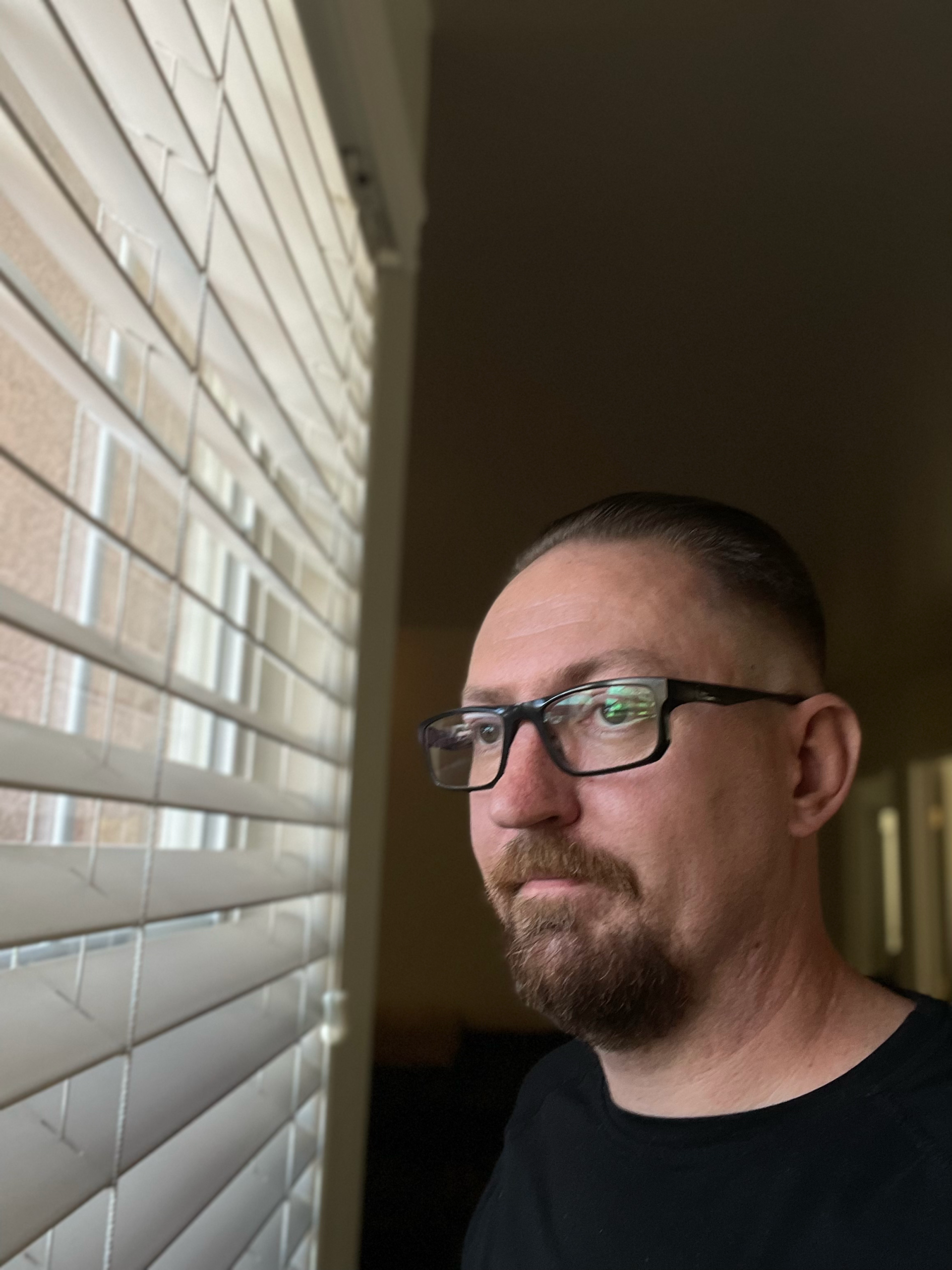
After my stroke, I rebuilt slowly using standard medical care and structured rehab, while also experimenting on my own with what people now call “biohacking.” That included dialing in sleep, walking consistently, using NMES (neuromuscular electrical stimulation) on my affected limbs, and testing a handful of supplements I researched myself. Nothing was a magic fix. It was all layered on top of the fundamentals.What stroke recovery actually feels like
Before I get into anything specific, I want to be clear: stroke recovery is not glamorous. It is not a TikTok protocol. It is months of small wins, frustrating plateaus, and re-learning things you used to do without thinking. Anyone who promises a clean, linear recovery has not lived through one. What I learned, slowly, is that the best biohacks for recovery are mostly just doing the foundational stuff with much more discipline than the average healthy person ever has to. Sleep matters more. Hydration matters more. Movement matters more. Stress matters more.The foundations that did the most heavy lifting
Sleep, on a schedule
Sleep is when the brain repairs itself. Same wake time every day, dark room, screens off early. I treated bedtime as a medical appointment.Walking, daily, gradually further
Walking was the most powerful tool I had. Short walks at first. Then slightly longer. Then up small inclines. The cumulative effect on my mood, balance, and stamina was bigger than any single intervention.Structured rehab and physical therapy
The unglamorous, repetitive stuff with a real physical therapist. Following the protocol. Showing up. This is the engine of recovery; everything else is at best a small accelerator.Hydration and whole-food nutrition
Cutting ultra-processed food, prioritizing protein, and drinking enough water. Boring. Foundational. Non-optional.The “tech-assisted” pieces I used (with my medical team)
NMES (neuromuscular electrical stimulation)
NMES uses small electrical pulses to make weakened muscles contract, which can help maintain muscle tone and assist neuromuscular re-education during stroke recovery. I used an NMES device on my affected limbs as part of my rehab. This was supervised by my medical team and used in conjunction with physical therapy — not a replacement for it. NMES is a real, well-studied modality, but the right device, settings, and use cases are very specific to the patient. Talk to your physical therapist or rehab physician.An acupressure mat for circulation and nervous-system downshifting
I used a basic acupressure mat for short sessions to help with tension and parasympathetic activation. It is low-tech and low-risk for most people, but if you have circulation issues, blood thinners, or post-surgical considerations, ask your doctor first.Wearables for sleep and HRV
I tracked sleep and recovery with a wearable. Not because the data was magical, but because seeing it kept me honest about whether I was actually doing the basics.The supplements and compounds I have explored — with caveats
People ask me about specific compounds. I want to answer honestly without giving anyone a protocol to copy. Here is the truth:- Methylene blue — I have explored it under guidance. It is a prescription compound used off-label for cognition and mitochondrial function. It is not a casual supplement. Sourcing, purity, dose, and interactions all matter enormously. Do not self-source.
- BPC-157 — a peptide some people use for tissue repair. It is not FDA-approved for human use, is sold as a research chemical, and the safety data outside the lab is limited. I will not recommend it. Anything I have done with peptides was a private decision discussed with a physician.
- Alpha-GPC — a choline source studied for cognition and recovery. There is some research, especially around stroke; there are also potential interactions and side effects. Talk to a doctor.
- Basic supplements — vitamin D, omega-3s, magnesium, and a quality multivitamin are the well-tolerated “starter pack” most clinicians agree on for general health. Even these should ideally be informed by bloodwork.
What helped my mindset more than any compound
- Accepting the slow timeline
- Celebrating tiny wins (walking 10 more steps; tying my shoes again)
- Writing about the experience — which eventually became my book, Still Here
- Building resilience through small, daily, repeatable habits — I logged early recovery streaks in an Official Bullet Journal because seeing the chain made skipping a day feel like a real cost
- Saying no to people and protocols that promised shortcuts
What I wish someone had told me earlier
- Sleep is medicine. Treat it that way.
- The boring basics outperform the exciting extras 95% of the time.
- If a “biohack” promises overnight transformation, walk away.
- Recovery is non-linear. A bad day is not a failure.
- Your medical team is your most important biohacking tool.
Further reading from authoritative sources
- Biohacking: What is it, types and hacks to try for beginners — Medical News Today
- What Is Biohacking? — Cleveland Clinic Health Essentials
- 12 Biohacking Supplements You Need to Try — Life Extension
FAQ
What is NMES used for in stroke recovery?
NMES (neuromuscular electrical stimulation) is used in physical therapy to assist muscle activation, prevent atrophy, and support neuromuscular re-education in affected limbs after a stroke. It is most effective when paired with structured rehab and supervised by a clinician.Can biohacking really help stroke recovery?
Lifestyle “biohacking” — sleep, nutrition, movement, hydration, stress management — absolutely supports recovery, because those are the basics of healing. The advanced and supplement side is more nuanced, more individual, and requires a doctor.Is BPC-157 safe?
BPC-157 is not FDA-approved for general human use and is sold as a research chemical. The long-term human safety data is limited. I am not going to give a “safe” or “unsafe” verdict; I will just say: this is not something to self-source from the internet.Related Reading
- What Is Biohacking? A Beginner’s Guide
- Biohacking for Beginners: 10 Hacks to Try First
- How to Build Resilience in Daily Life
- Who I Am and Why I Write
About the Author
Blake Murphy is the author of Still Here, a book about resilience, growth, and finding meaning in everyday life — written after recovering from a stroke. Learn more about the book → Some links in this post are Amazon affiliate links. If you buy through them, I may earn a small commission at no extra cost to you. I only link to products I have personally used or would use again.Frequently Asked Questions
What helped most in your stroke recovery?
The boring fundamentals: sleep, walking every single day, simple strength work, protein-forward eating, and consistent NMES. The exotic supplements were mostly noise.
Are biohacking supplements useful after a stroke?
Some are mildly helpful, but none replace the basics. Always run supplements past your medical team before adding them — interactions matter more than people realize.
What is one lesson you would tell a new stroke survivor?
Show up daily, even when it feels pointless. Tiny inputs compound. The shortcut is consistency, not the next supplement or device.
Related Reading
- What Is Biohacking? A Beginner’s Guide to Types, Risks, and Where to Start
- Biohacking for Beginners: 10 Simple Hacks to Try First
- How to Build a Morning Routine That Actually Works (Simple Systems)
- The Best Daily Routine for Focus (Backed by Real Results)
- 5 Self-Improvement Habits That Actually Stick
- Exploring Blake Murphy’s Writing
