resilience
-

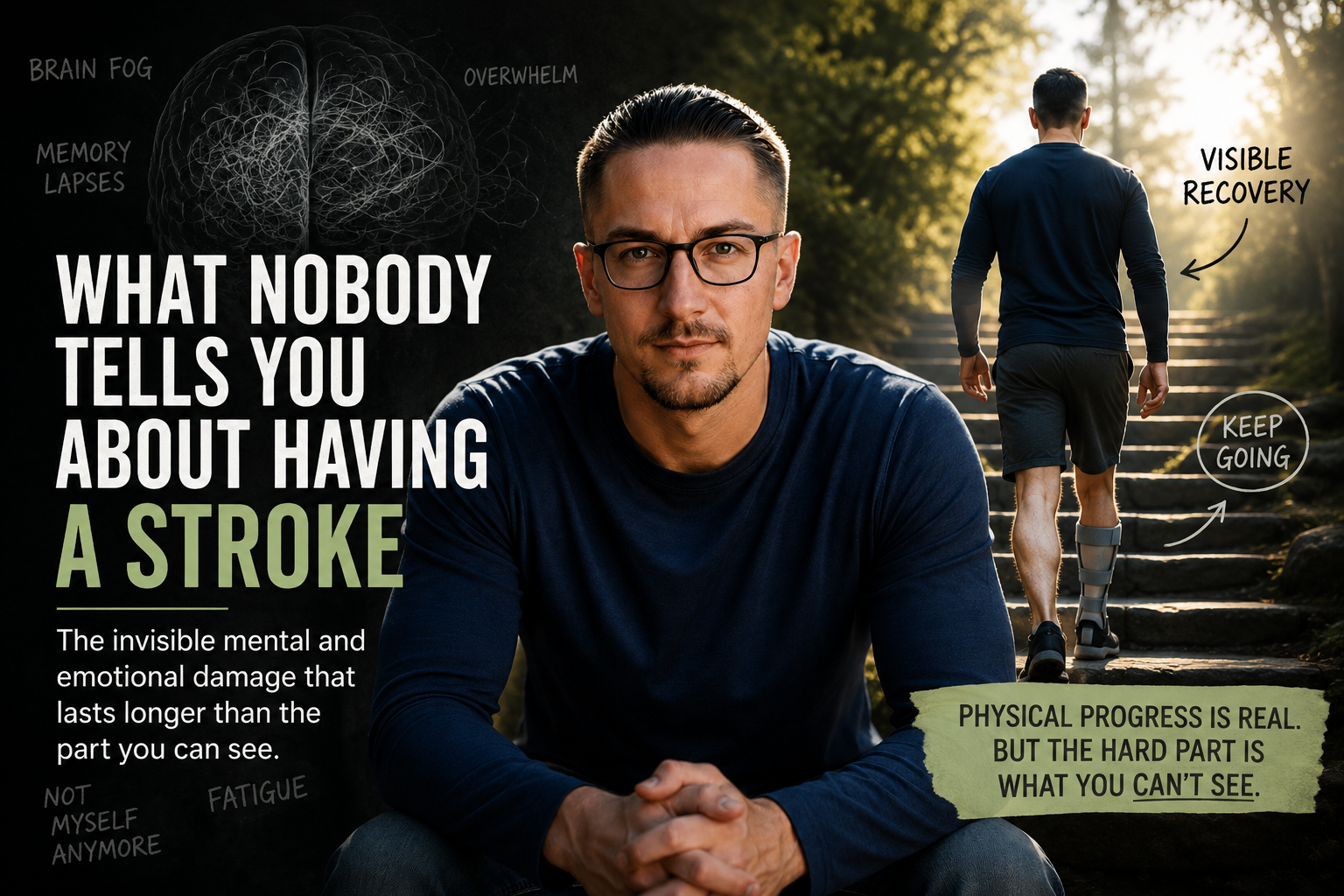
Stroke Recovery and Mental Health: The Part Nobody Warns You About
The short answer: What nobody tells you about having a stroke is how much it affects your mental health. Physical recovery is visible. You can see the limp. You can see someone walking again. The cognitive and emotional damage is invisible, and it lasts longer than the part you can point to. You can be…
Read more: Stroke Recovery and Mental Health: The Part Nobody Warns You About
-
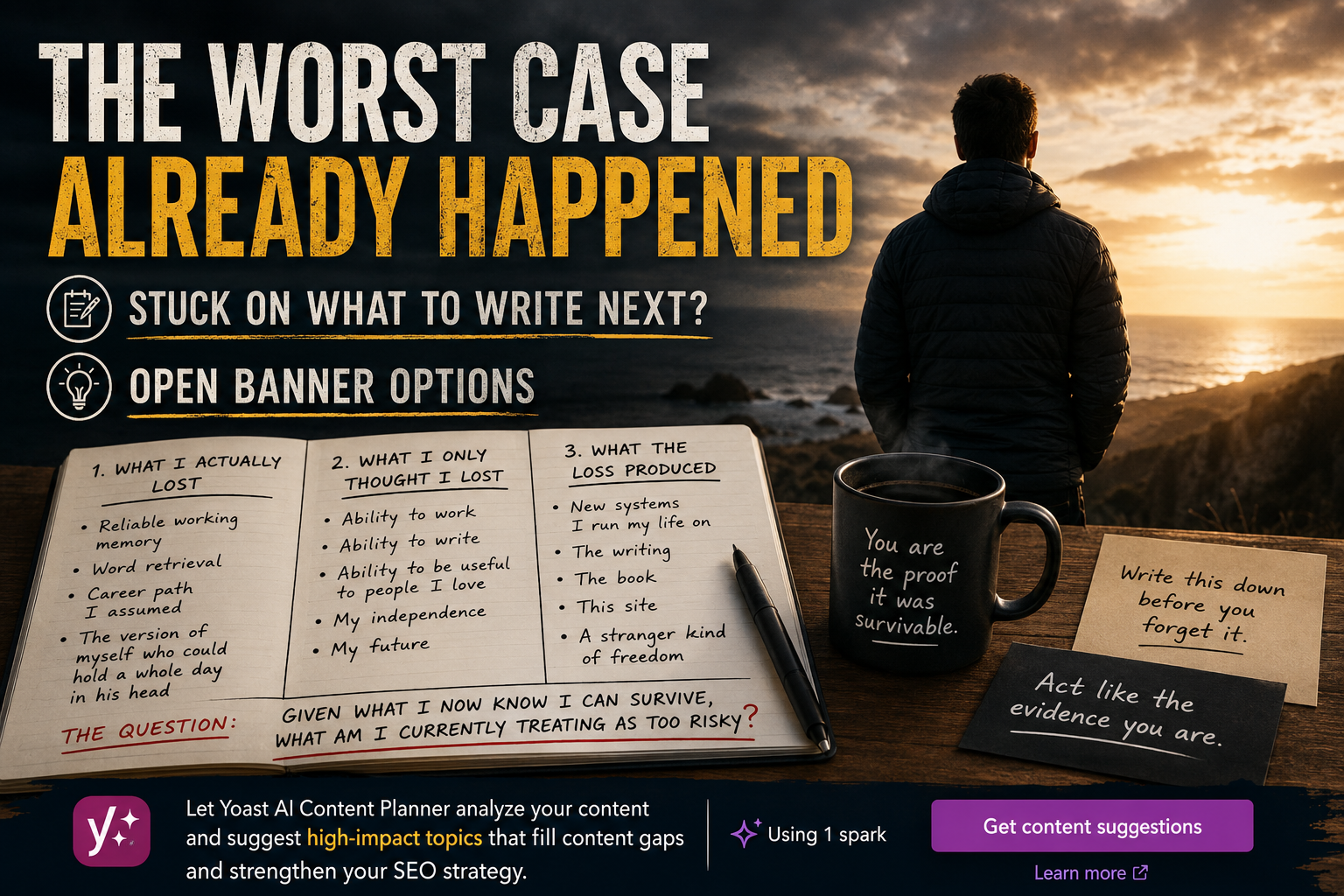
The Worst Case Already Happened: What Loss-Setting Taught Me
There is a famous exercise where you write down the worst thing that could happen, in detail, and then plan around it. Tim Ferriss calls it fear-setting and credits it with most of his good decisions. He borrowed the bones of it from the Stoics, who called it premeditatio malorum. The premeditation of evils. It…
Read more: The Worst Case Already Happened: What Loss-Setting Taught Me
-
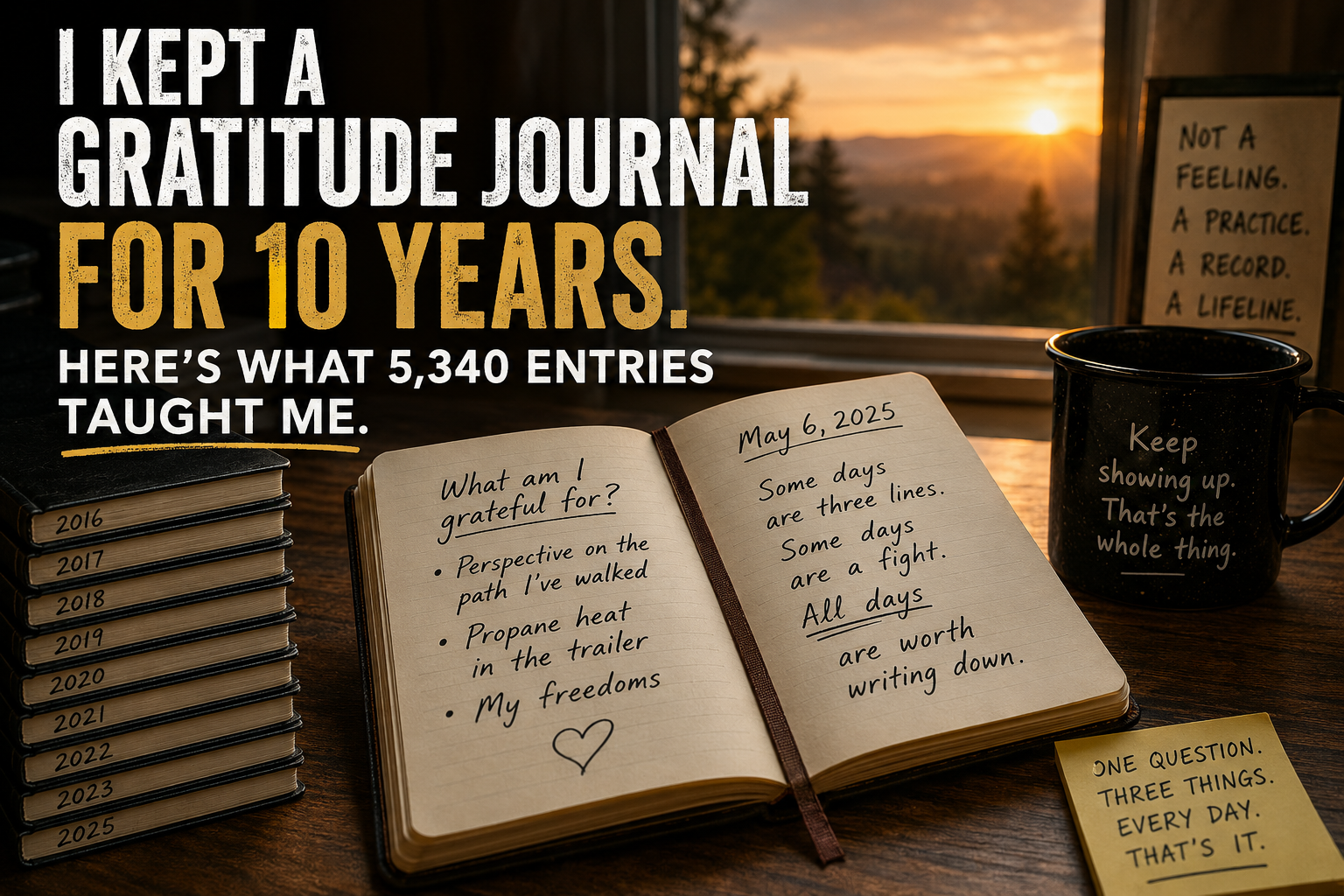
I Kept a Gratitude Journal for 10 Years. Here’s What 5,340 Entries Taught Me.
Most advice about gratitude comes from people having a good year. This isn’t that. I started a gratitude practice on September 29, 2016. As of this spring, that’s 5,340-plus entries across roughly 10.4 years. It predates the hardest thing that ever happened to me: having a stroke in March 2023. The journal was already more…
Read more: I Kept a Gratitude Journal for 10 Years. Here’s What 5,340 Entries Taught Me.
-
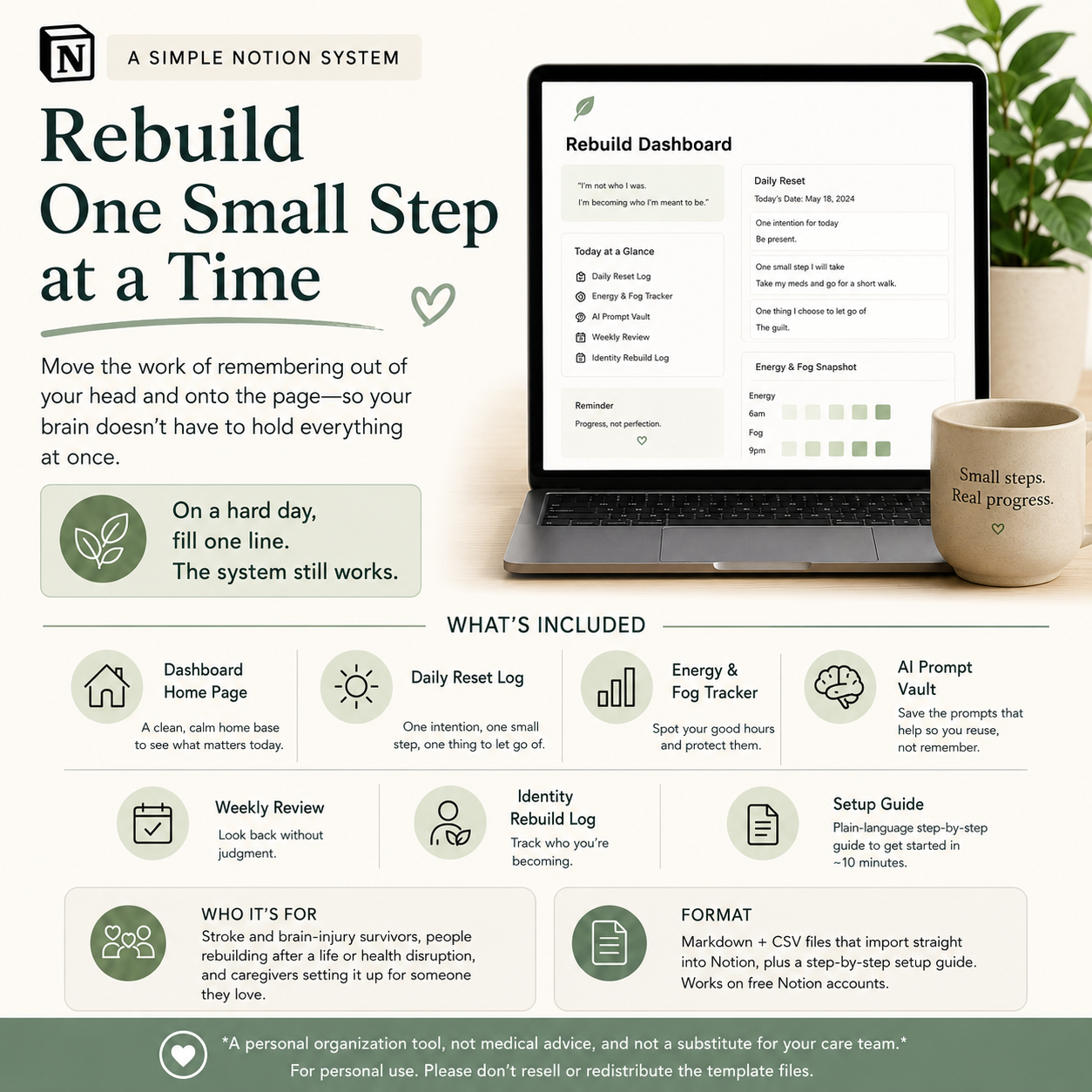
How to Use AI for Brain Fog: Prompts That Work When Your Brain Won’t
The short answer: AI works for brain fog when you stop treating it like a search engine and start treating it like a cognitive prosthetic: a tool that stands in for the specific function that’s struggling. The word that won’t come. The task you can’t start. The email you can’t parse. I collected the 44…
Read more: How to Use AI for Brain Fog: Prompts That Work When Your Brain Won’t
-
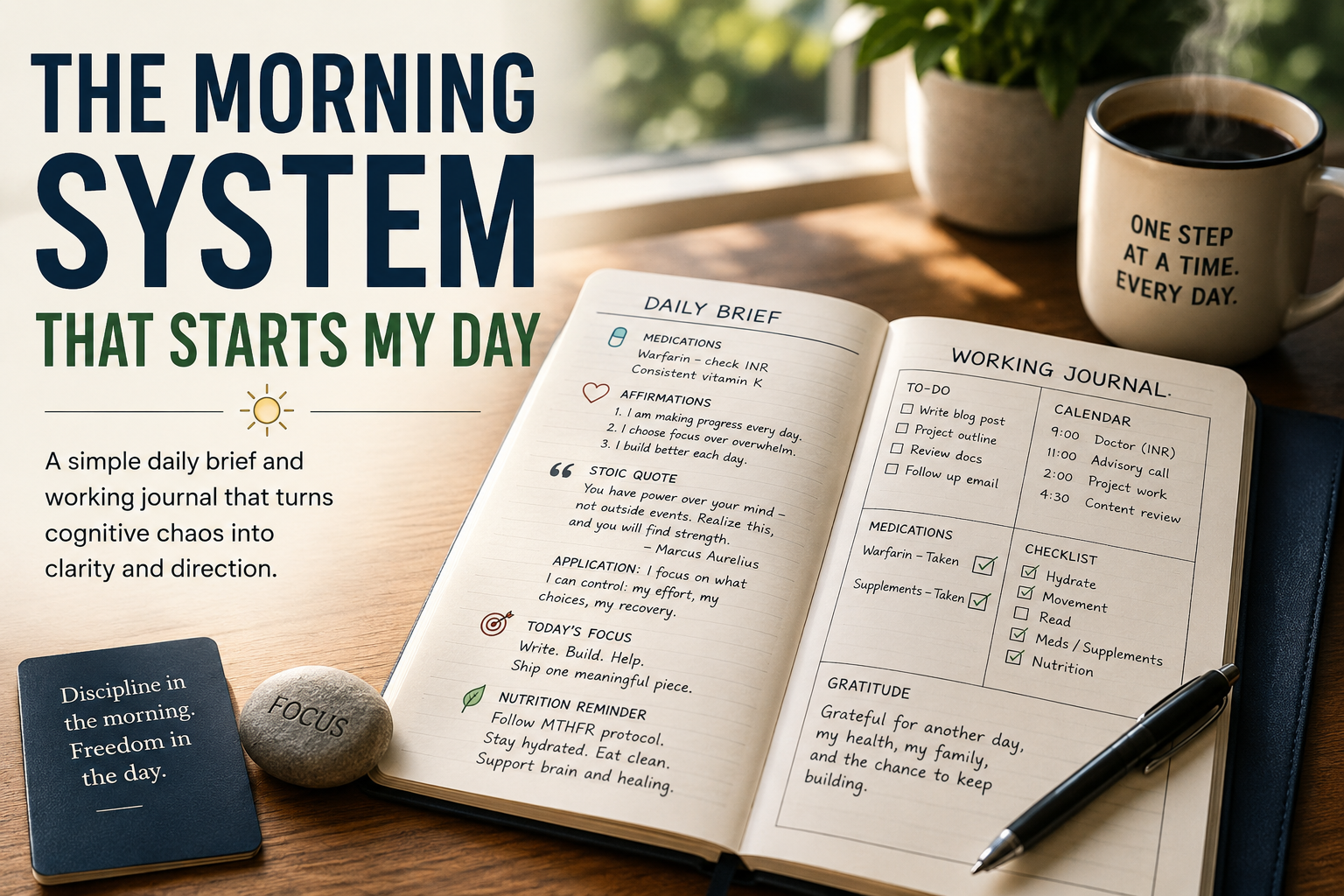
The Morning System That Starts My Day
After my stroke, mornings became a cognitive obstacle course. Discover the automated morning system, a daily brief and working journal, that removes the reconstruction step and helps stroke survivors and anyone with cognitive fatigue start their day with clarity and structure.
-
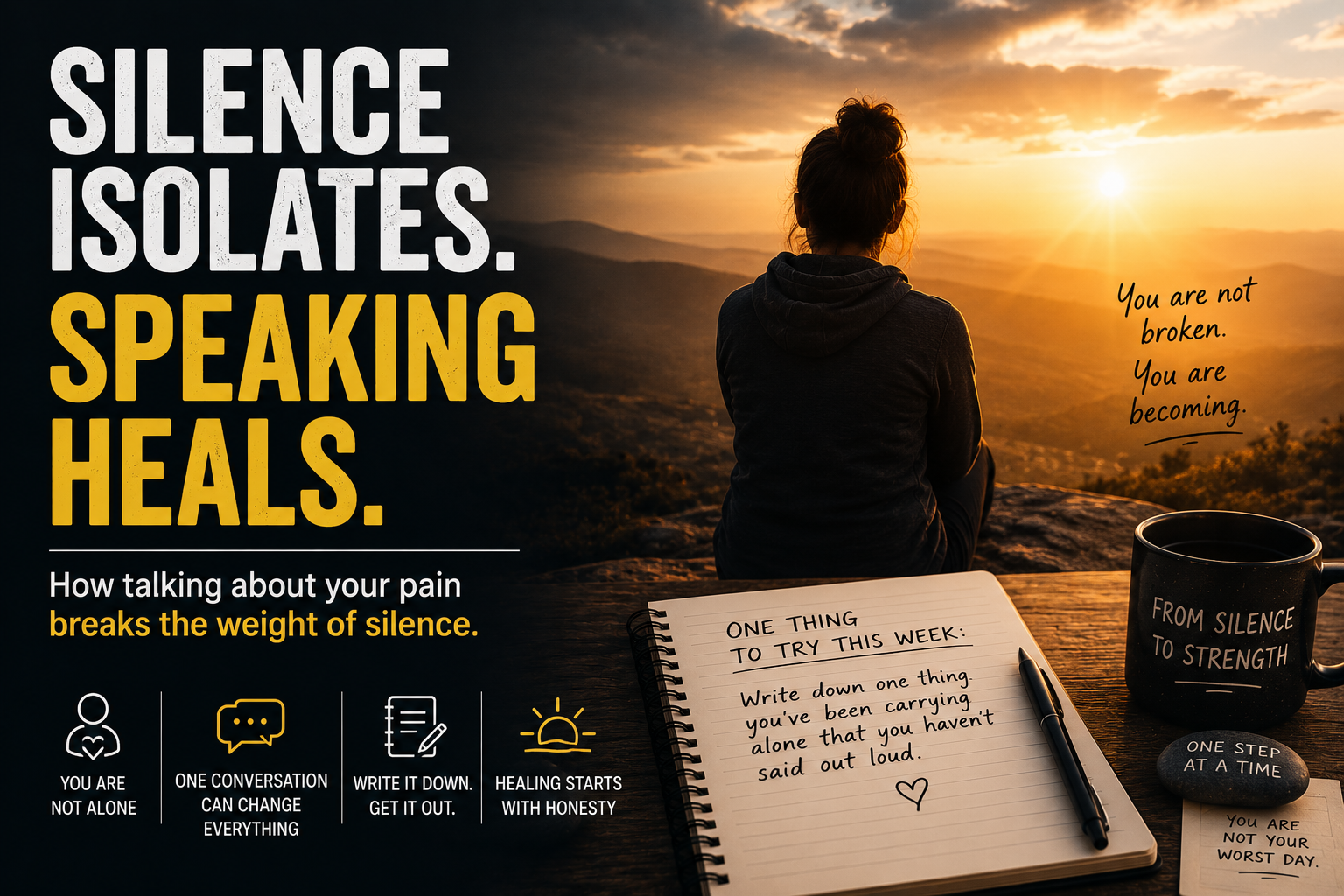
The Weight of Silence: Why Talking About Your Pain Is Not a Weakness
Summary Blake Murphy is a stroke survivor, author of Still Here, and AI Enthusiast. In this post, he shares how breaking his silence after a March 2023 stroke, through therapy, writing, and honest conversation, helped him heal. His key message: silence doesn’t protect you, it isolates you. Talking about your pain is not a weakness.…
Read more: The Weight of Silence: Why Talking About Your Pain Is Not a Weakness
-
My Brain Has a Backup
A stroke took my memory, so I built a backup for my brain. Inside the AI second brain: 3,700+ notes, daily briefs, and the system that runs it.
-
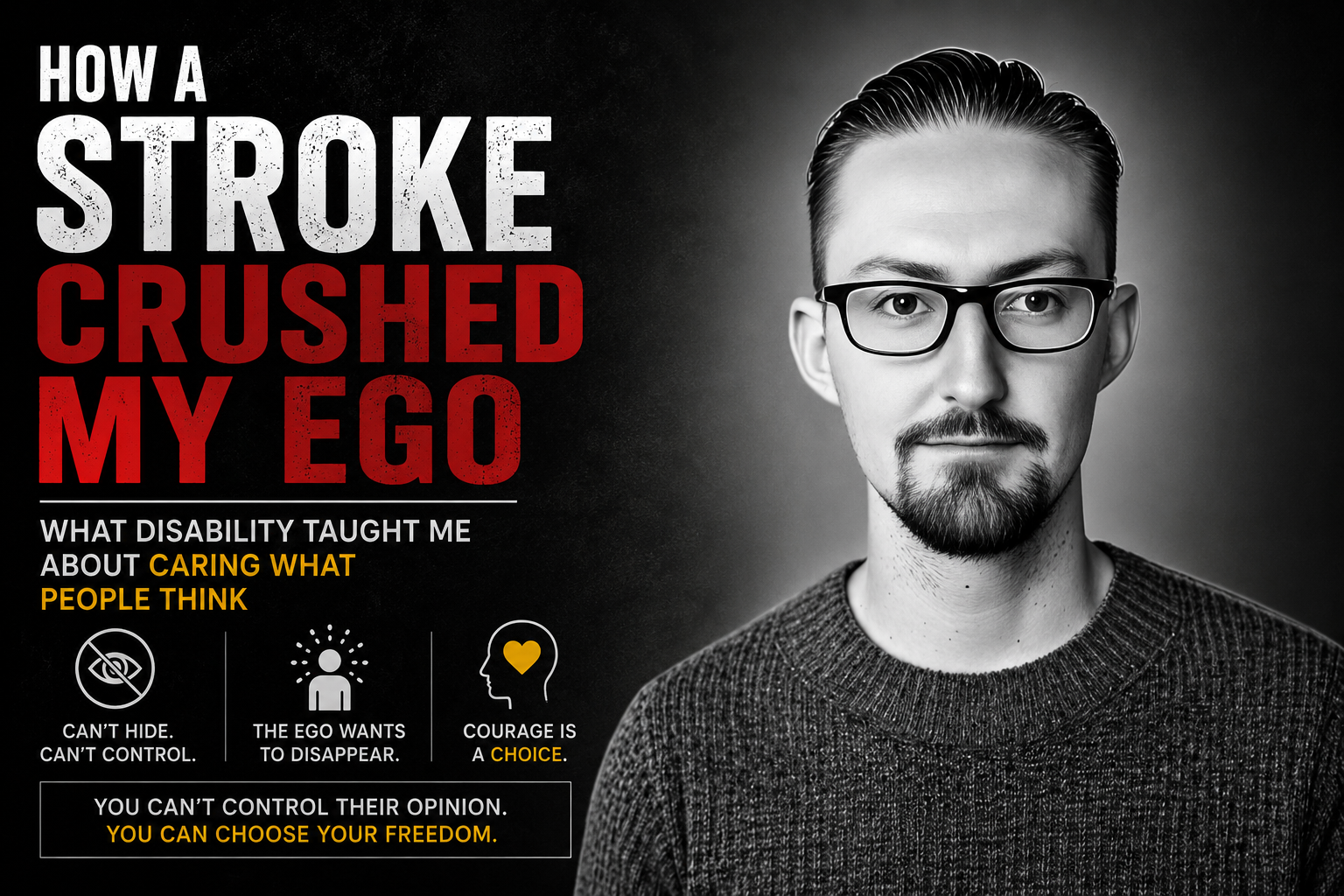
How a Stroke Crushed My Ego: What Disability Taught Me About Caring What People Think
Short answer: A stroke crushes the ego because it removes your ability to hide. You can’t control how you look, how you walk, or how your body sits in a room. Once people are already staring, the fear of being judged stops being theoretical. You either learn to sit inside that discomfort or you stay…
Read more: How a Stroke Crushed My Ego: What Disability Taught Me About Caring What People Think
-
Stroke Recovery, Childhood Trauma, and Suicidal Thoughts: What I Couldn’t Say in My Book
Content note: This post discusses suicidal thoughts and childhood sexual abuse. If you are in crisis, please contact the 988 Suicide and Crisis Lifeline (call or text 988 in the US), or your local emergency services. The short answer: Stroke recovery can trigger flashbacks of past trauma. For me, that trauma was childhood sexual abuse.…
Read more: Stroke Recovery, Childhood Trauma, and Suicidal Thoughts: What I Couldn’t Say in My Book
-
Sell Yourself Long: Why Your Future Self Is Worth More Than Today’s Rate
Skills compound over time. Stop pricing yourself based on who you are today and start accounting for who you’ll be in ten years. A short, honest essay on time horizon, plateaus, and why selling yourself long beats selling yourself short.
Read more: Sell Yourself Long: Why Your Future Self Is Worth More Than Today’s Rate